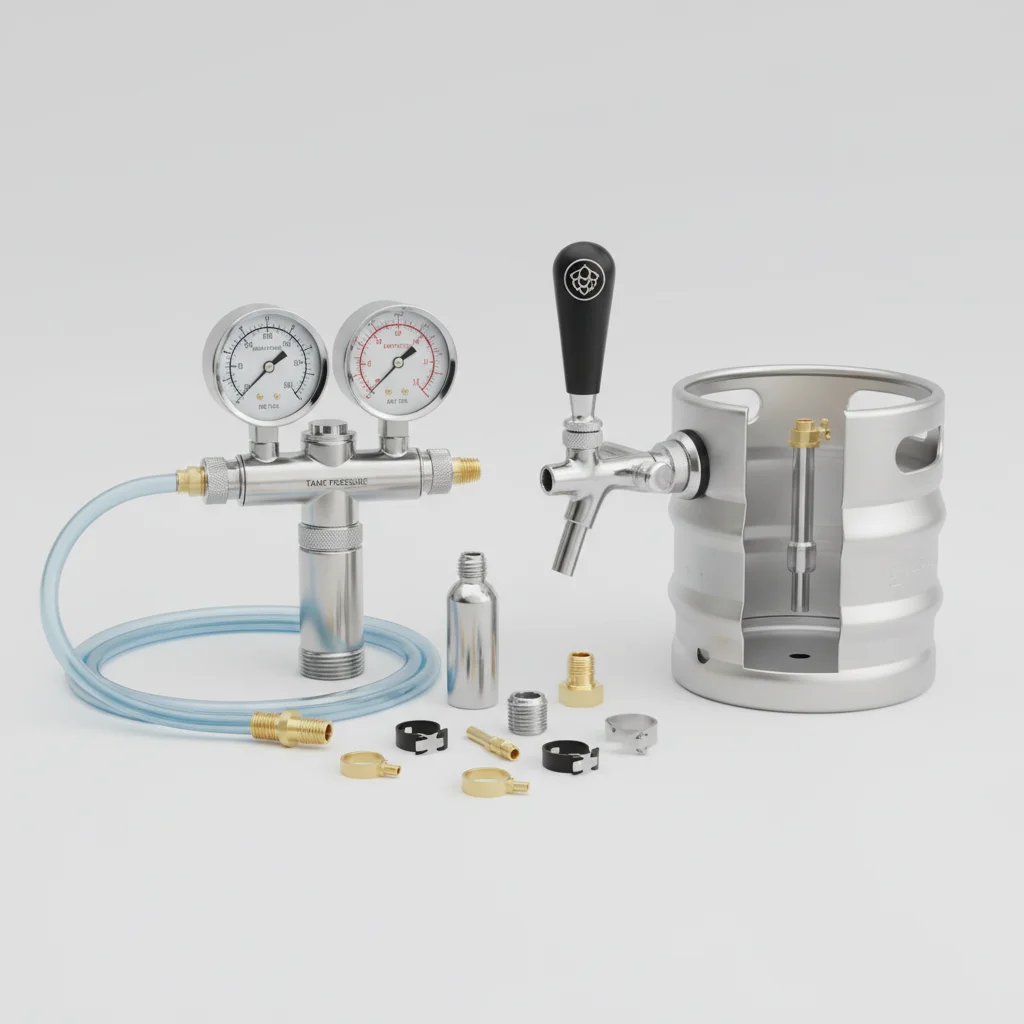
The ideal beer dispenser pressure for most draft beer systems is between 10-12 PSI. This range ensures proper carbonation, prevents foaming, and delivers a smooth pour. However, the exact pressure can vary slightly depending on the type of beer, the length of the beer lines, and the temperature of the keg. Understanding these factors is crucial for maintaining the quality and taste of your draft beer.
Understanding PSI and Its Impact on Beer Quality
PSI, or pounds per square inch, is a measurement of the pressure exerted by the CO2 gas on the beer in the keg. This pressure serves several critical functions. Firstly, it pushes the beer from the keg through the lines and out of the faucet. Secondly, it maintains the carbonation level of the beer, preventing it from going flat or becoming over-carbonated. Too little pressure can lead to flat beer and excessive foaming, while too much pressure can result in foamy beer and an overly carbonated taste. Achieving the correct balance is key to a perfect pour.
Factors Influencing Optimal Beer Dispenser Pressure
Several variables influence the optimal pressure setting for your beer dispenser. The type of beer is a significant factor; lagers and ales typically require different pressure ranges due to their inherent carbonation levels. The length and diameter of your beer lines also play a role, as longer lines may require slightly higher pressure to overcome resistance. Furthermore, the temperature of the keg is crucial; colder beer absorbs CO2 more readily, meaning a slightly lower pressure might be needed compared to warmer beer. It’s important to consider all these elements when fine-tuning your system.
- Beer Style: Different beers have varying carbonation requirements.
- Line Length: Longer lines may need higher pressure to maintain flow.
- Temperature: Colder beer requires less pressure to maintain carbonation.
- Altitude: Higher altitudes can affect pressure settings.
- System Type: Commercial systems may have different needs than home units.
Setting and Adjusting Your Beer Dispenser Pressure
|
Our Picks for the Best Beer Dispenser in 2026
As an Amazon Associate I earn from qualifying purchases.
|
||
| Num | Product | Action |
|---|---|---|
| 1 | Hammer + Axe Beverage Dispenser – 88 oz Party Drink Dispenser with Ice Tube & Tap| Drink Fountain for Beer, Water, Iced Tea| Mimosa Tower| Margarita Tower| BBQ & Tailgate Essential| Home Bar Accessory |

|
| 2 | Beer Tower 3L/100oz Beverage Dispenser with fluent Spigot & Ice Tube,Margarita Tower, Mimosa Tower, Tabletop Liquor Drink Dispenser for Parties, Bars, Pubs, Restaurants |
|
| 3 | Hammer + Axe Beverage Dispenser – 88 oz Party Drink Dispenser with Ice Tube & Tap| Drink Fountain for Beer, Water, Iced Tea| Mimosa Tower| Margarita Tower| BBQ & Tailgate Essential| Home Bar Accessory |
|
| 4 | OGGI Beer Tower 88oz - Beverage Dispenser with Spigot & Ice Tube, Margarita Tower, Mimosa Tower, Perfect Drink Dispensers for Parties, Drink Tower, Holds 6 Pints of Beer – Stainless |
|
| 5 | -Beverage Dispenser - Drink Dispensers for Parties -Perfect Home Bar Accessories - Alcohol, Beer & Liquor Dispenser - Mimosa Tower |
|
| 6 | BeerSquad Beer Tower - 3L 100 oz. Clear Beverage Tower Dispenser with Included Ice Tube, Easy Clean, Dual Action Integrated Tap |
|
| 7 | Drink Tower, 3L Mimosa Tower Dispenser With Ice Tube and Led Light, Tabletop Beer Dispenser 3.17 Qt./101oz, Ideal for Parties Bars Pubs Restaurants |
|
| 8 | 2pcs Beer Giraffe Dispenser, 100oz/3.2 qt Mimosa Tower Dispenser with Ice Tube and LED Light, 3L Tabletop Drink Tower Dispensers for Beer, Margarita, Liquor, Beverage |
|
| 9 | Beer Dispenser Margarita Tower, 50oz Mimosa Tower Dispenser with Ice Tube and LED Light, Tabletop Drink Tower Dispenser 1.6 qt for Beer, Margarita, Liquor, Beverage |
|
| 10 | Beer Dispenser, 100oz/3.2 qt Mimosa Tower Dispenser with Ice Tube and LED Light for Margarita, Liquor, Beverage - Tabletop Drink Tower Dispensers for Parties |
|
Setting the correct pressure involves a few simple steps. First, ensure your CO2 tank is full and connected properly to your regulator. Begin by setting the regulator to a lower PSI, typically around 8-10 PSI, and then gradually increase it while monitoring the pour. Look for a steady stream of beer with a minimal amount of foam. If the beer is too foamy, reduce the pressure slightly. If it’s pouring too slowly or appears flat, increase the pressure. Patience and small adjustments are key to finding the sweet spot for your specific setup.
Troubleshooting Common Pressure-Related Issues
Even with careful setup, you might encounter pressure-related issues. Excessive foaming is a common problem, often caused by too much pressure, warm beer, or kinks in the beer lines. Conversely, flat beer or a slow pour can indicate insufficient pressure, an empty CO2 tank, or a clogged line. Regularly checking your CO2 tank levels, inspecting your lines for obstructions, and ensuring your keg is at the correct temperature can prevent many of these issues. If problems persist, a professional inspection of your system may be necessary.
Maintaining Consistent Pressure for Optimal Enjoyment
Maintaining consistent pressure is vital for enjoying high-quality draft beer. Regular monitoring of your pressure gauge and making minor adjustments as needed will ensure your beer remains perfectly carbonated and pours smoothly every time. Consider investing in a high-quality regulator that provides accurate and stable pressure control. By understanding the principles of beer dispenser pressure and diligently maintaining your system, you can elevate your draft beer experience.
Get our weekly buyer guide
Practical specs, not advice. Unsubscribe anytime.

The advice on maintaining carbonation levels is solid, and I appreciate the breakdown of how PSI impacts that. However, I found that for some of my craft brews, especially those with higher carbonation, I needed to go a little above the recommended 12 PSI to get the perfect pour without it going flat too quickly. It’s a good general guide, but not a one-size-fits-all solution for every single beer.
I used to struggle with my home kegerator, always getting too much foam or flat beer. After reading about the 10-12 PSI sweet spot, I adjusted my regulator, and it’s made a huge difference. My pours are perfect now, and the carbonation is spot on. Definitely a game-changer for my backyard BBQs!
I’ve been battling excessive foaming for ages and couldn’t figure out why. Turns out my pressure was too low! Adjusting it to the recommended 10 PSI has completely solved the problem. My beer now pours smoothly, and I’m not wasting half a glass in foam anymore. So glad I found this information.
This really helped me understand why my stout was always pouring weird. I learned that different beer types need slight adjustments, and I was just using a generic setting. My only minor complaint is that it took a bit of trial and error to get the exact pressure right for my longer beer lines, but the info here was a great starting point.