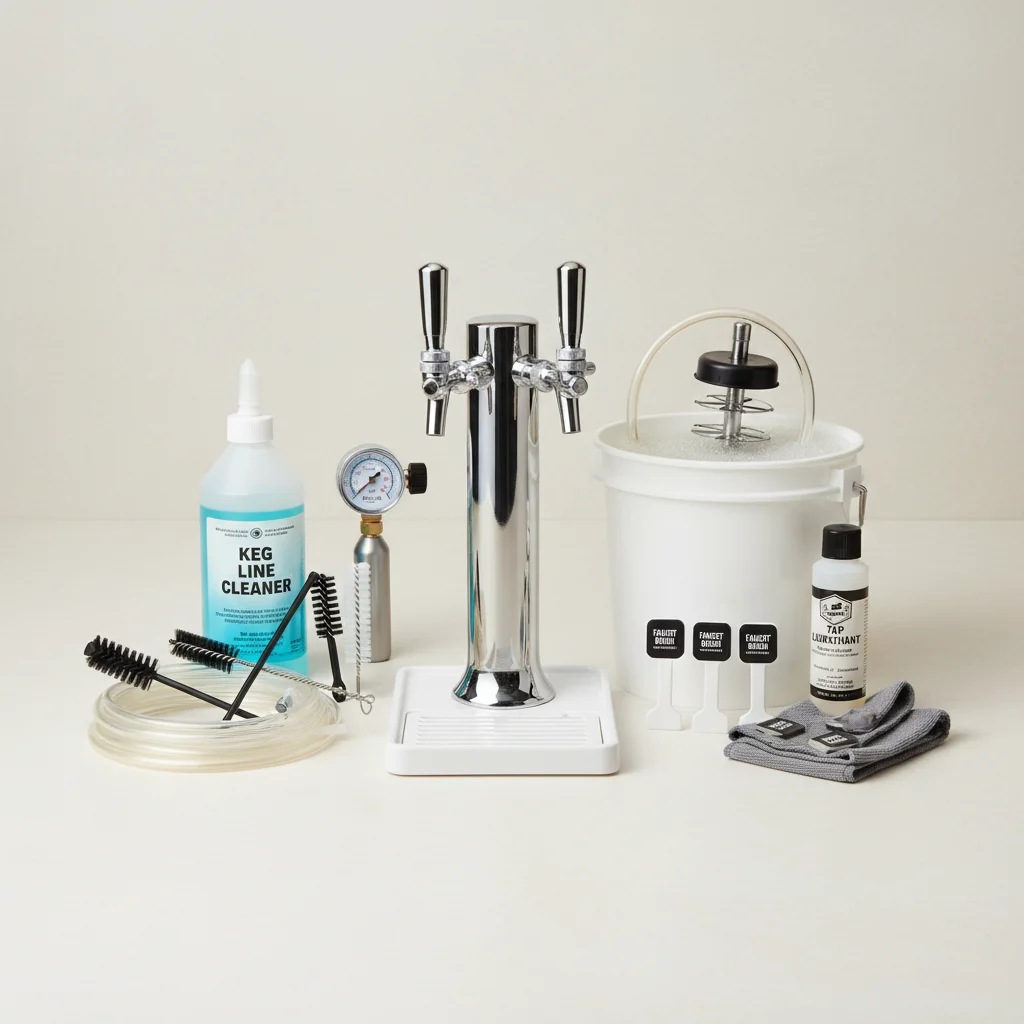
Proper beer dispenser maintenance is crucial for ensuring the longevity and optimal performance of your unit. Regular cleaning, checking for leaks, and monitoring CO2 levels are key steps that can extend the life of your dispenser by several years, often doubling its expected lifespan from 5-7 years to 10-14 years with diligent care.
Why Regular Cleaning is Non-Negotiable
Regular cleaning prevents the buildup of yeast, bacteria, and mold, which can not only affect the taste of your beer but also clog lines and damage internal components. A thorough cleaning regimen should include flushing the beer lines with a specialized cleaning solution every 2-3 weeks, or after every keg change, whichever comes first. This process removes organic residues and ensures a fresh pour every time. For explore our home reviews on this site.
Beyond the lines, the faucet and coupler should be disassembled and cleaned weekly. These parts are exposed to beer and air, making them prime locations for microbial growth. Using a small brush and a food-grade sanitizer will keep them pristine.
Monitoring CO2 Pressure and Leaks
Maintaining the correct CO2 pressure is vital for both the quality of your beer and the health of your dispenser. Incorrect pressure can lead to foamy beer or flat beer, and can also put undue stress on the system. Regularly check your CO2 regulator gauge to ensure it’s set to the manufacturer’s recommended pressure, typically between 10-12 PSI for most lagers and ales.
Leaks in your CO2 system can lead to wasted gas and a significant drop in performance. Periodically check all connections, including the CO2 tank, regulator, and lines, for any signs of leakage. A simple soap and water solution can be applied to connections; if bubbles appear, you have a leak that needs to be addressed immediately by tightening the connection or replacing a faulty washer.
Inspecting Hoses and Gaskets
|
Our Picks for the Best Beer Dispenser in 2026
As an Amazon Associate I earn from qualifying purchases.
|
||
| Num | Product | Action |
|---|---|---|
| 1 | Hammer + Axe Beverage Dispenser – 88 oz Party Drink Dispenser with Ice Tube & Tap| Drink Fountain for Beer, Water, Iced Tea| Mimosa Tower| Margarita Tower| BBQ & Tailgate Essential| Home Bar Accessory |

|
| 2 | Beer Tower 3L/100oz Beverage Dispenser with fluent Spigot & Ice Tube,Margarita Tower, Mimosa Tower, Tabletop Liquor Drink Dispenser for Parties, Bars, Pubs, Restaurants |
|
| 3 | Beer Dispenser, 100oz/3.2 qt Mimosa Tower Dispenser with Ice Tube and LED Light for Margarita, Liquor, Beverage - Tabletop Drink Tower Dispensers for Parties |
|
| 4 | 2pcs Beer Giraffe Dispenser, 100oz/3.2 qt Mimosa Tower Dispenser with Ice Tube and LED Light, 3L Tabletop Drink Tower Dispensers for Beer, Margarita, Liquor, Beverage |
|
| 5 | -Beverage Dispenser - Drink Dispensers for Parties -Perfect Home Bar Accessories - Alcohol, Beer & Liquor Dispenser - Mimosa Tower |
|
| 6 | Hammer + Axe Beverage Dispenser – 88 oz Party Drink Dispenser with Ice Tube & Tap| Drink Fountain for Beer, Water, Iced Tea| Mimosa Tower| Margarita Tower| BBQ & Tailgate Essential| Home Bar Accessory |
|
| 7 | BeerSquad Beer Tower - 3L 100 oz. Clear Beverage Tower Dispenser with Included Ice Tube, Easy Clean, Dual Action Integrated Tap |
|
| 8 | Drink Tower, 3L Mimosa Tower Dispenser With Ice Tube and Led Light, Tabletop Beer Dispenser 3.17 Qt./101oz, Ideal for Parties Bars Pubs Restaurants |
|
| 9 | Beer Dispenser Margarita Tower, 50oz Mimosa Tower Dispenser with Ice Tube and LED Light, Tabletop Drink Tower Dispenser 1.6 qt for Beer, Margarita, Liquor, Beverage |
|
| 10 | OGGI Beer Tower 88oz - Beverage Dispenser with Spigot & Ice Tube, Margarita Tower, Mimosa Tower, Perfect Drink Dispensers for Parties, Drink Tower, Holds 6 Pints of Beer – Stainless |
|
The hoses and gaskets in your beer dispenser are critical for maintaining a sealed system and preventing leaks. Over time, these components can degrade, crack, or become brittle, leading to pressure loss and potential contamination. It’s advisable to inspect all hoses and gaskets quarterly for any signs of wear and tear. Look for cracks, discoloration, or hardening of the material.
Replacing worn-out gaskets, especially those on the coupler and faucet, is a simple yet effective maintenance task that can prevent major issues down the line. Keep a small supply of replacement parts on hand to facilitate quick repairs.
Temperature Control and Airflow
Proper temperature control is not just about serving cold beer; it’s also about the efficiency and longevity of your dispenser’s cooling unit. Ensure your dispenser is operating within the recommended temperature range, typically 38-42°F (3-5°C). Fluctuations outside this range can strain the compressor and reduce its lifespan.
Good airflow around the dispenser is also essential. Make sure the vents are not blocked and there’s adequate space for heat dissipation. Dust and debris can accumulate on condenser coils, reducing cooling efficiency. Regularly vacuuming or brushing these coils can significantly improve performance and prevent overheating.
Winterizing Your Dispenser (If Applicable)
For those who use their beer dispensers seasonally or in outdoor settings, proper winterization is key to preventing damage from freezing temperatures. This involves:
- Draining all beer and cleaning solutions from the lines.
- Disconnecting and storing the CO2 tank in a temperate environment.
- Thoroughly cleaning and drying all components.
- Storing the dispenser in a dry, protected area.
- Applying food-grade lubricant to moving parts like the faucet mechanism.
Following these steps will ensure your dispenser is ready for use when the warmer months return.
Frequently Asked Questions
How often should beer dispenser lines be cleaned?
Beer dispenser lines should be flushed with a specialized cleaning solution every 2-3 weeks, or after every keg change, whichever occurs first. This routine prevents the buildup of yeast, bacteria, and mold, ensuring optimal beer taste and preventing clogs.
What is the recommended CO2 pressure for a beer dispenser?
The recommended CO2 pressure for most lagers and ales dispensed from a unit is typically between 10-12 PSI. Regularly checking the CO2 regulator gauge ensures correct pressure, which is vital for preventing foamy or flat beer and reducing system stress.
How can I check for CO2 leaks in my beer dispenser system?
To check for CO2 leaks, apply a simple soap and water solution to all connections, including the CO2 tank, regulator, and lines. If bubbles appear, it indicates a leak that needs immediate attention, usually by tightening the connection or replacing a faulty washer.
What is the ideal temperature range for a beer dispenser?
The ideal temperature range for a beer dispenser is typically 38-42u00b0F (3-5u00b0C). Maintaining this range is crucial for serving cold beer and ensuring the efficiency and longevity of the dispenser's cooling unit, preventing strain on the compressor.
Why is airflow important for beer dispenser performance?
Good airflow around the dispenser is essential because it allows for proper heat dissipation and prevents the cooling unit from overheating. Blocked vents or accumulated dust on condenser coils can reduce cooling efficiency, straining the compressor and shortening its lifespan.
Winterize Your Beer Dispenser
Properly winterizing your beer dispenser prevents damage from freezing temperatures, especially for seasonal or outdoor use.
Drain all beer and cleaning solutions from the lines. This prevents any residual liquids from freezing and damaging the internal components of the dispenser.
Disconnect the CO2 tank and store it in a temperate environment. Extreme cold can affect the tank's pressure and integrity, so a stable temperature is ideal.
Thoroughly clean and dry all components of the dispenser. This prevents mold and mildew growth during storage and ensures the unit is ready for future use.
Store the dispenser in a dry, protected area. This safeguards it from environmental damage, dust, and pests, preserving its condition until warmer months.
Apply food-grade lubricant to moving parts, such as the faucet mechanism. This helps prevent seizing and ensures smooth operation when the dispenser is brought back into service.
Get our weekly buyer guide
Practical specs, not advice. Unsubscribe anytime.

I appreciate the advice on checking for leaks and monitoring CO2 levels. I had a small leak once that was a pain to track down. My only minor complaint is that flushing the lines after every keg change can be a bit time-consuming, especially when I go through kegs quickly.
I used to just rinse my lines, but after reading about the importance of a specialized cleaning solution every 2-3 weeks, I invested in a proper kit. The difference in taste is incredible, and I feel much better knowing I’m preventing buildup. My beer dispenser is definitely going to last longer now.
Great tips! I’ve been pretty good about cleaning my lines, but I often forget to disassemble and clean the faucet and coupler weekly. It’s a small step that makes a big difference in preventing off-flavors. My pours are much smoother now.
This information is spot on. I’ve had my dispenser for 8 years, and by following these maintenance steps, it’s still running like new. Doubling the expected lifespan from 5-7 years to 10-14 years is totally achievable with diligent care, just like it says. It’s all about consistency.