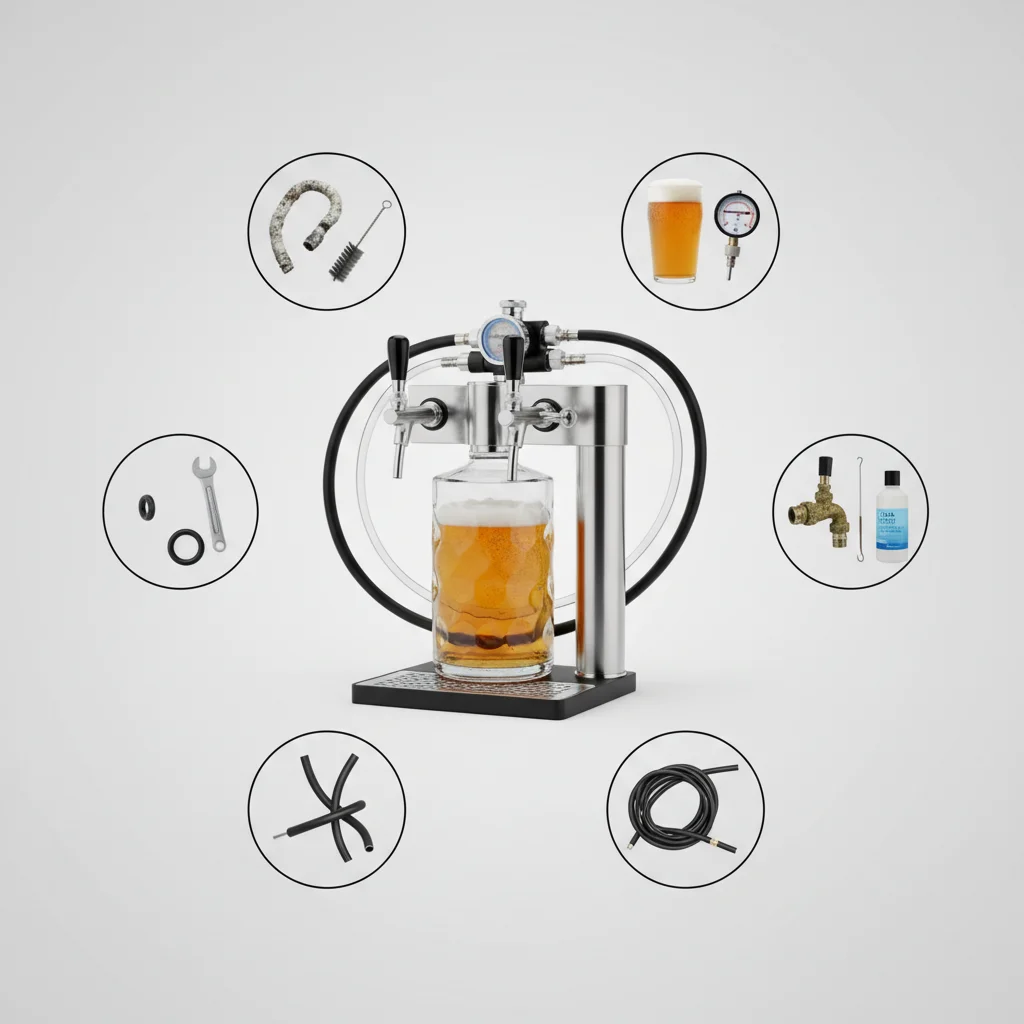
Many common beer dispenser issues, such as warm beer, excessive foaming, leaks, or off-flavors, can be resolved with simple troubleshooting steps. For instance, warm beer often indicates incorrect thermostat settings or poor ventilation, while foaming can be due to improper CO2 pressure or dirty lines. Addressing these problems promptly can save time and potential repair costs, ensuring you enjoy perfectly chilled draft beer.
Why Your Beer Dispenser Isn’t Cooling Properly
One of the most common complaints is a beer dispenser that fails to cool. This can stem from several factors. First, verify that the thermostat is set to the correct temperature, typically between 38-42°F (3-5°C). If the setting is correct, check for obstructions around the condenser coils, which are usually located at the back or bottom of the unit. Dust and debris can accumulate, hindering heat dissipation. A thorough cleaning of these coils can significantly improve cooling efficiency. Additionally, ensure the dispenser is not placed in direct sunlight or too close to a heat source, as this can overload the cooling system.
Dealing with Excessive Foaming
Excessive foaming is another frequent issue that wastes beer and can be messy. The primary culprits are often incorrect CO2 pressure, warm beer, or a dirty beer line. Start by checking your CO2 regulator; the pressure should typically be set between 10-14 PSI, depending on the beer style and elevation. If the beer is too warm, refer to the cooling troubleshooting steps. A dirty beer line can also cause foaming due to bacteria buildup or beer stone. Regular cleaning of your beer lines is crucial for preventing this problem and maintaining beer quality.
Resolving Leaks and Drips
|
Our Picks for the Best Beer Dispenser in 2026
As an Amazon Associate I earn from qualifying purchases.
|
||
| Num | Product | Action |
|---|---|---|
| 1 | OGGI Beer Tower 88oz - Beverage Dispenser with Spigot & Ice Tube, Margarita Tower, Mimosa Tower, Perfect Drink Dispensers for Parties, Drink Tower, Holds 6 Pints of Beer – Stainless |

|
| 2 | Beer Dispenser, 100oz/3.2 qt Mimosa Tower Dispenser with Ice Tube and LED Light for Margarita, Liquor, Beverage - Tabletop Drink Tower Dispensers for Parties |
|
| 3 | Beer Tower 3L/100oz Beverage Dispenser with fluent Spigot & Ice Tube,Margarita Tower, Mimosa Tower, Tabletop Liquor Drink Dispenser for Parties, Bars, Pubs, Restaurants |
|
| 4 | 2pcs Beer Giraffe Dispenser, 100oz/3.2 qt Mimosa Tower Dispenser with Ice Tube and LED Light, 3L Tabletop Drink Tower Dispensers for Beer, Margarita, Liquor, Beverage |
|
| 5 | Hammer + Axe Beverage Dispenser – 88 oz Party Drink Dispenser with Ice Tube & Tap| Drink Fountain for Beer, Water, Iced Tea| Mimosa Tower| Margarita Tower| BBQ & Tailgate Essential| Home Bar Accessory |
|
| 6 | Beer Dispenser Margarita Tower, 50oz Mimosa Tower Dispenser with Ice Tube and LED Light, Tabletop Drink Tower Dispenser 1.6 qt for Beer, Margarita, Liquor, Beverage |
|
| 7 | Hammer + Axe Beverage Dispenser – 88 oz Party Drink Dispenser with Ice Tube & Tap| Drink Fountain for Beer, Water, Iced Tea| Mimosa Tower| Margarita Tower| BBQ & Tailgate Essential| Home Bar Accessory |
|
| 8 | BeerSquad Beer Tower - 3L 100 oz. Clear Beverage Tower Dispenser with Included Ice Tube, Easy Clean, Dual Action Integrated Tap |
|
| 9 | -Beverage Dispenser - Drink Dispensers for Parties -Perfect Home Bar Accessories - Alcohol, Beer & Liquor Dispenser - Mimosa Tower |
|
| 10 | Drink Tower, 3L Mimosa Tower Dispenser With Ice Tube and Led Light, Tabletop Beer Dispenser 3.17 Qt./101oz, Ideal for Parties Bars Pubs Restaurants |
|
Leaks and drips can be annoying and indicate a problem with your dispenser’s seals or connections. Inspect all connections, including the CO2 tank, regulator, beer lines, and faucet, to ensure they are tight and secure. Pay close attention to the faucet shank and the coupling nut where the beer line attaches to the keg coupler. Worn-out O-rings or gaskets are common causes of leaks and are relatively easy to replace. Always use food-grade lubricant on O-rings to prolong their life and ensure a good seal. If the leak persists, the faucet itself might need to be disassembled and cleaned, or its internal components might need replacement.
Addressing Off-Flavors in Your Beer
If your beer tastes off, metallic, or sour, it’s almost always a sign of poor sanitation. Beer lines, faucets, and keg couplers can harbor bacteria, mold, and yeast if not cleaned regularly and thoroughly. These contaminants can impart unpleasant flavors to your beer. A complete system cleaning, including disassembling and scrubbing all components that come into contact with beer, is essential. Using a proper beer line cleaning solution is critical for removing beer stone and sanitizing the lines effectively. Consider increasing the frequency of your cleaning regimen if off-flavors persist.
Common Beer Dispenser Maintenance Tips
- Clean beer lines every 2-4 weeks.
- Check CO2 pressure regularly.
- Clean condenser coils every 3-6 months.
- Inspect and replace worn O-rings and gaskets.
- Ensure proper ventilation around the unit.
By understanding these common issues and implementing the suggested fixes, you can significantly extend the life of your beer dispenser and ensure a consistent, high-quality pour. Regular maintenance is key to preventing problems before they start, saving you time and money in the long run.
Frequently Asked Questions
Why is my beer dispenser not cooling to the correct temperature?
Your beer dispenser may not be cooling due to an incorrect thermostat setting, typically needing to be between 38-42u00b0F (3-5u00b0C). Additionally, obstructed condenser coils or placement in direct sunlight can hinder cooling efficiency. Cleaning the coils and ensuring proper ventilation can resolve this.
What causes excessive foaming in a beer dispenser?
Excessive foaming in a beer dispenser is often caused by incorrect CO2 pressure, warm beer, or a dirty beer line. Ensure your CO2 regulator is set between 10-14 PSI and that beer lines are cleaned every 2-4 weeks to prevent bacteria buildup.
How can I stop my beer dispenser from leaking?
To stop your beer dispenser from leaking, inspect all connections, including the CO2 tank, regulator, beer lines, and faucet, for tightness. Worn-out O-rings or gaskets are common culprits and should be replaced, using food-grade lubricant to ensure a good seal.
What should I do if my draft beer has an off-flavor?
If your draft beer has an off-flavor, it typically indicates poor sanitation within the system. You should perform a complete system cleaning, including disassembling and scrubbing all components that contact beer, and use a proper beer line cleaning solution to remove contaminants.
How often should I clean my beer lines and condenser coils?
You should clean your beer lines every 2-4 weeks to prevent bacteria and beer stone buildup. Condenser coils, which impact cooling efficiency, should be cleaned every 3-6 months to remove dust and debris.
Get our weekly buyer guide
Practical specs, not advice. Unsubscribe anytime.

I had an issue with off-flavors and thought it was my beer. The advice about checking for dirty lines was spot on, and cleaning them did improve the taste. However, I still get a slight metallic taste sometimes, which wasn’t really covered. It’s better, but not perfect.
I was having a terrible time with warm beer, even after adjusting the thermostat. It turns out my condenser coils were completely caked with dust, just like it mentioned. A quick clean and now my kegerator is chilling perfectly at 39°F. So glad I didn’t call a repairman!
This was super helpful for my excessive foaming problem. I always thought it was just bad beer, but checking the CO2 pressure made all the difference. My lines were also a bit dirty, so a good cleaning helped too. Now I get a perfect pour every time, no more wasted beer.
My dispenser started leaking out of nowhere and I was panicking. This guide walked me through checking the connections and it turned out to be a loose clamp on one of the beer lines. Tightened it up and the leak stopped immediately. Saved me a lot of hassle and potential damage.