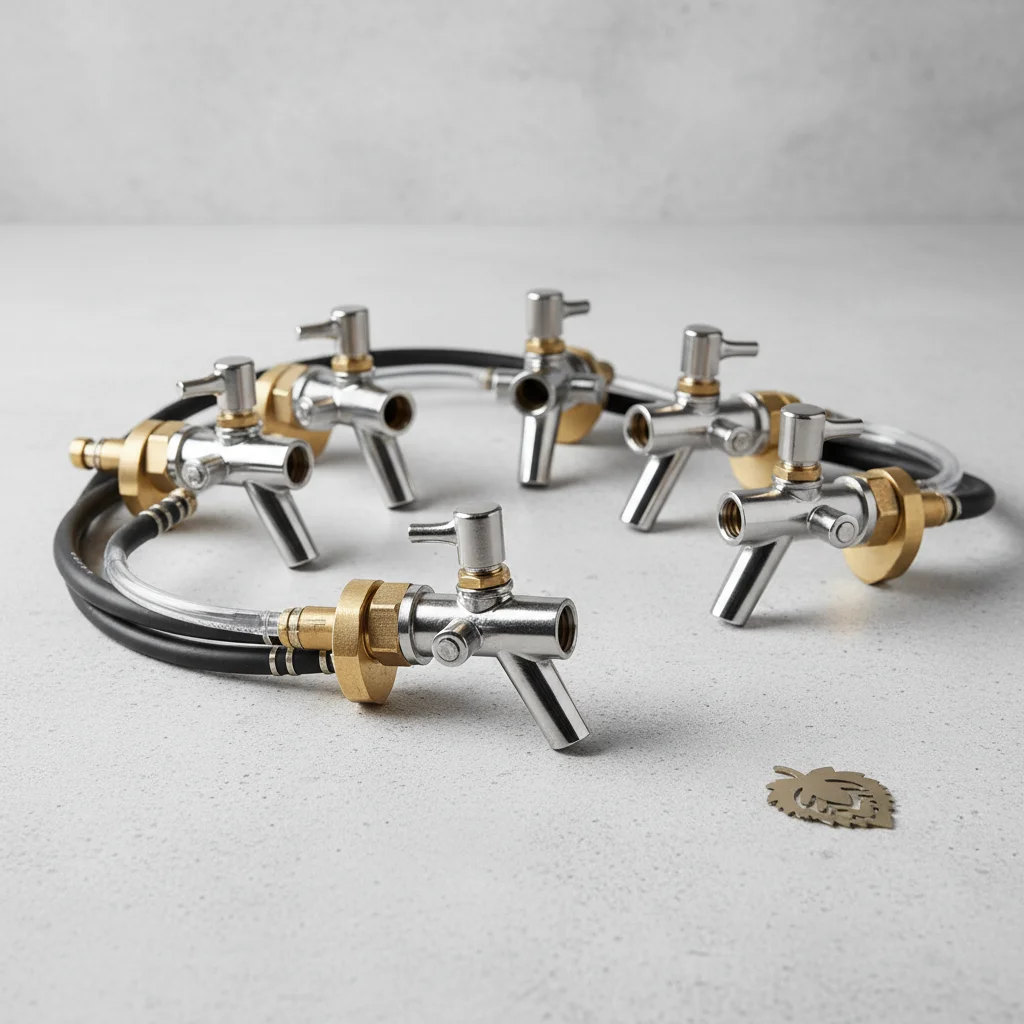
Choosing the correct beer dispenser coupler is crucial for a seamless draft beer experience, as there are seven primary types designed to fit different keg valves. The coupler acts as the bridge between your keg and the beer lines, allowing CO2 to enter the keg and push beer out. Using the wrong coupler will prevent you from tapping your keg, leading to frustration and wasted time. Understanding the various types and their corresponding kegs will ensure you always have the right connection for your brew.
Understanding the Seven Main Coupler Types
The world of beer couplers is diverse, with each type designed for specific keg valve systems. The most common in North America is the D-System, often referred to as a Sankey coupler, used for nearly all domestic beers. European beers frequently utilize A-System or G-System couplers, while some specialty beers and craft breweries might use S-System or M-System. There are also U-System and KeyKeg couplers, which are less common but essential for certain brands. For expert home reviews on this site.
Each coupler type has a unique probe and locking mechanism that corresponds precisely to the keg valve it’s designed to tap. Attempting to force an incompatible coupler can damage both the coupler and the keg valve, leading to leaks or an inability to dispense beer. Always verify the keg type before purchasing or attempting to tap.
D-System Couplers: The North American Standard
|
Our Picks for the Best Beer Dispenser in 2026
As an Amazon Associate I earn from qualifying purchases.
|
||
| Num | Product | Action |
|---|---|---|
| 1 | Beer Tower 3L/100oz Beverage Dispenser with fluent Spigot & Ice Tube,Margarita Tower, Mimosa Tower, Tabletop Liquor Drink Dispenser for Parties, Bars, Pubs, Restaurants |

|
| 2 | Beer Dispenser Margarita Tower, 50oz Mimosa Tower Dispenser with Ice Tube and LED Light, Tabletop Drink Tower Dispenser 1.6 qt for Beer, Margarita, Liquor, Beverage |
|
| 3 | Beer Dispenser, 100oz/3.2 qt Mimosa Tower Dispenser with Ice Tube and LED Light for Margarita, Liquor, Beverage - Tabletop Drink Tower Dispensers for Parties |
|
| 4 | OGGI Beer Tower 88oz - Beverage Dispenser with Spigot & Ice Tube, Margarita Tower, Mimosa Tower, Perfect Drink Dispensers for Parties, Drink Tower, Holds 6 Pints of Beer – Stainless |
|
| 5 | BeerSquad Beer Tower - 3L 100 oz. Clear Beverage Tower Dispenser with Included Ice Tube, Easy Clean, Dual Action Integrated Tap |
|
| 6 | Drink Tower, 3L Mimosa Tower Dispenser With Ice Tube and Led Light, Tabletop Beer Dispenser 3.17 Qt./101oz, Ideal for Parties Bars Pubs Restaurants |
|
| 7 | Hammer + Axe Beverage Dispenser – 88 oz Party Drink Dispenser with Ice Tube & Tap| Drink Fountain for Beer, Water, Iced Tea| Mimosa Tower| Margarita Tower| BBQ & Tailgate Essential| Home Bar Accessory |
|
| 8 | -Beverage Dispenser - Drink Dispensers for Parties -Perfect Home Bar Accessories - Alcohol, Beer & Liquor Dispenser - Mimosa Tower |
|
| 9 | 2pcs Beer Giraffe Dispenser, 100oz/3.2 qt Mimosa Tower Dispenser with Ice Tube and LED Light, 3L Tabletop Drink Tower Dispensers for Beer, Margarita, Liquor, Beverage |
|
| 10 | Hammer + Axe Beverage Dispenser – 88 oz Party Drink Dispenser with Ice Tube & Tap| Drink Fountain for Beer, Water, Iced Tea| Mimosa Tower| Margarita Tower| BBQ & Tailgate Essential| Home Bar Accessory |
|
The D-System coupler is by far the most prevalent in the United States and Canada, used for almost all major domestic breweries like Budweiser, Miller, Coors, and many craft breweries. If you’re primarily dispensing American lagers or ales, a D-System coupler is likely what you’ll need. It features a single, robust probe and a simple lever-style handle for engagement. Its widespread use makes it a staple for home kegerator owners and commercial establishments alike.
European Couplers: A, G, S, and M Systems
When venturing into imported beers, you’ll encounter several European coupler types. The A-System is common for some German beers, including brands like Warsteiner and Paulaner. The G-System is used by breweries such as Bass and Boddingtons. The S-System is frequently found with European lagers like Heineken and Stella Artois, while the M-System is less common but used by a few German breweries like Schneider Weisse. Each of these systems has distinct probe designs and locking mechanisms, making cross-compatibility impossible. It’s essential to identify the specific European beer you plan to serve to ensure you have the correct coupler.
Specialty Couplers: U-System and KeyKeg
Beyond the more common types, the U-System coupler is used for a select few British and Irish beers, such as Guinness and Harp. These beers often require a specific stout faucet and gas blend (typically a nitrogen/CO2 mix) in addition to the U-System coupler. KeyKeg couplers are designed for the increasingly popular KeyKegs, which are disposable, bag-in-ball kegs used by many craft breweries for their convenience and extended shelf life. KeyKegs require a unique coupler that connects to a specialized valve, different from traditional metal kegs.
Choosing the Right Coupler for Your Setup
To determine the right coupler, first identify the brand and type of beer you plan to dispense. Most keg distributors or breweries will specify the required coupler type. If you’re unsure, a quick online search for
Get our weekly buyer guide
Practical specs, not advice. Unsubscribe anytime.
