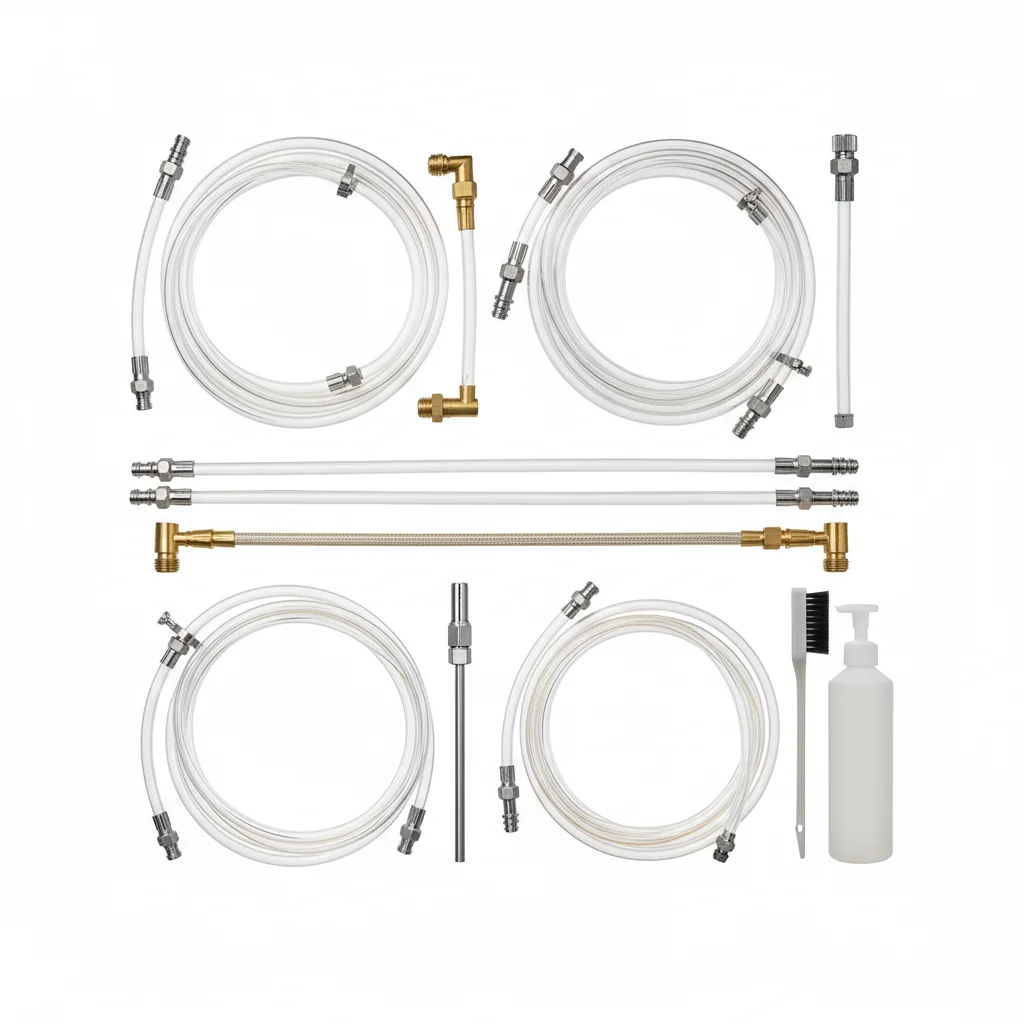
Beer dispenser lines should be replaced every 3-6 months for optimal taste and hygiene. This timeframe can vary slightly depending on usage frequency, the type of beer dispensed, and the cleaning regimen. Regular replacement prevents the buildup of beer stone, bacteria, and mold, which can significantly impact the flavor of your beer and potentially lead to health concerns.
Why Regular Line Replacement is Crucial
Over time, even with diligent cleaning, beer lines can develop microscopic scratches and porous surfaces where microorganisms can thrive. These imperfections become breeding grounds for bacteria and yeast, leading to off-flavors like sourness, buttery notes (diacetyl), or a musty taste. Furthermore, beer stone, a mineral deposit from beer, can accumulate and create a rough surface that further encourages microbial growth and restricts beer flow. Replacing lines regularly ensures a clean, smooth pathway for your beer, preserving its intended taste and aroma.
Factors Influencing Replacement Frequency
Several factors dictate how often you should swap out your beer lines. High-volume commercial establishments might need to replace lines more frequently, perhaps every 3 months, due to constant use. Home users with less frequent dispensing might stretch it to 6 months. The type of beer also plays a role; darker, heavier beers tend to leave more residue than lighter lagers. Lastly, the effectiveness and frequency of your cleaning routine are paramount. While cleaning extends line life, it doesn’t eliminate the need for eventual replacement.
- Usage Frequency: High-volume dispensing requires more frequent replacement.
- Beer Type: Darker beers can leave more residue.
- Cleaning Regimen: Regular, thorough cleaning extends line life.
- Line Material: Some materials are more resistant to buildup than others.
- Environmental Factors: Temperature and humidity can influence microbial growth.
Signs It’s Time for New Lines
|
Our Picks for the Best Beer Dispenser in 2026
As an Amazon Associate I earn from qualifying purchases.
|
||
| Num | Product | Action |
|---|---|---|
| 1 | OGGI Beer Tower 88oz - Beverage Dispenser with Spigot & Ice Tube, Margarita Tower, Mimosa Tower, Perfect Drink Dispensers for Parties, Drink Tower, Holds 6 Pints of Beer – Stainless |

|
| 2 | -Beverage Dispenser - Drink Dispensers for Parties -Perfect Home Bar Accessories - Alcohol, Beer & Liquor Dispenser - Mimosa Tower |
|
| 3 | 2pcs Beer Giraffe Dispenser, 100oz/3.2 qt Mimosa Tower Dispenser with Ice Tube and LED Light, 3L Tabletop Drink Tower Dispensers for Beer, Margarita, Liquor, Beverage |
|
| 4 | Drink Tower, 3L Mimosa Tower Dispenser With Ice Tube and Led Light, Tabletop Beer Dispenser 3.17 Qt./101oz, Ideal for Parties Bars Pubs Restaurants |
|
| 5 | Beer Dispenser Margarita Tower, 50oz Mimosa Tower Dispenser with Ice Tube and LED Light, Tabletop Drink Tower Dispenser 1.6 qt for Beer, Margarita, Liquor, Beverage |
|
| 6 | Beer Tower 3L/100oz Beverage Dispenser with fluent Spigot & Ice Tube,Margarita Tower, Mimosa Tower, Tabletop Liquor Drink Dispenser for Parties, Bars, Pubs, Restaurants |
|
| 7 | BeerSquad Beer Tower - 3L 100 oz. Clear Beverage Tower Dispenser with Included Ice Tube, Easy Clean, Dual Action Integrated Tap |
|
| 8 | Hammer + Axe Beverage Dispenser – 88 oz Party Drink Dispenser with Ice Tube & Tap| Drink Fountain for Beer, Water, Iced Tea| Mimosa Tower| Margarita Tower| BBQ & Tailgate Essential| Home Bar Accessory |
|
| 9 | Beer Dispenser, 100oz/3.2 qt Mimosa Tower Dispenser with Ice Tube and LED Light for Margarita, Liquor, Beverage - Tabletop Drink Tower Dispensers for Parties |
|
| 10 | Hammer + Axe Beverage Dispenser – 88 oz Party Drink Dispenser with Ice Tube & Tap| Drink Fountain for Beer, Water, Iced Tea| Mimosa Tower| Margarita Tower| BBQ & Tailgate Essential| Home Bar Accessory |
|
Beyond the recommended timeframe, there are clear indicators that your beer lines need replacing. A noticeable change in the beer’s taste, such as a sour or metallic flavor, is a primary sign. Visual cues include discoloration of the lines, especially if they appear cloudy, yellow, or brown, or if you can see any visible mold or slime. Reduced beer flow or excessive foaming can also indicate blockages or buildup within the lines. Don’t wait for these signs; proactive replacement is always better for quality and hygiene.
For a wide selection of high-quality replacement beer lines and cleaning kits, consider browsing the options available at. They offer various lengths and materials to suit any setup, ensuring you can maintain peak performance and taste for your dispensed beverages.
The Replacement Process: A Quick Overview
Replacing beer dispenser lines is a straightforward process that most users can perform with basic tools. First, disconnect the old lines from your keg coupler and faucet. It’s often helpful to have a bucket ready to catch any residual beer. Carefully remove any clamps or fittings. Measure and cut your new lines to the appropriate length, ensuring they are not too long, which can lead to excessive foaming, or too short, which can put strain on connections. Secure the new lines with appropriate clamps, ensuring a tight, leak-free seal. After installation, it’s always a good practice to run a cleaning solution through the new lines before tapping a fresh keg.
To ensure you have all the necessary components for a smooth line replacement, including specialized tools and fittings, check out the comprehensive range at. They provide everything you need to keep your beer dispensing system in top condition.
Get our weekly buyer guide
Practical specs, not advice. Unsubscribe anytime.
