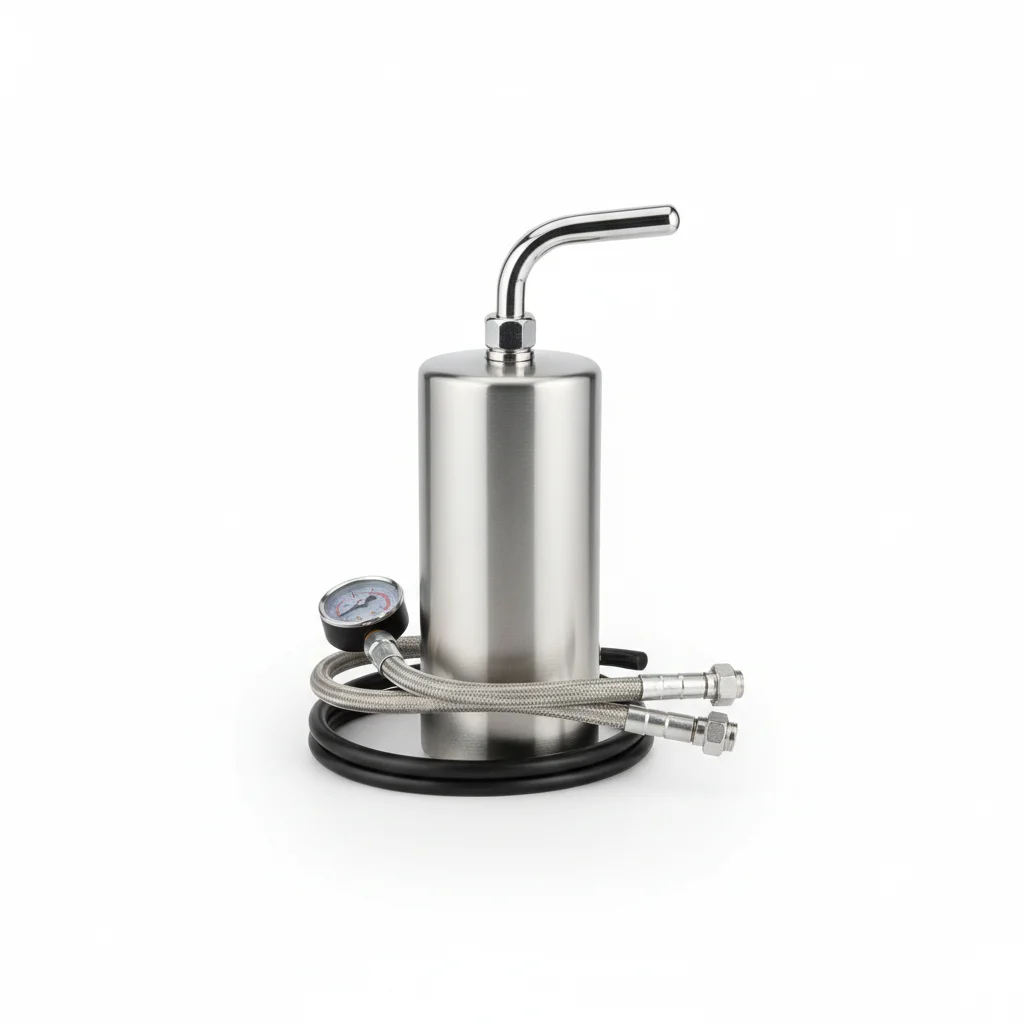
You might need a beer dispenser pump depending on your specific setup and the type of beer you’re serving. While CO2 tanks are standard for most draft systems, a pump becomes essential when you’re dealing with certain types of beers, like stouts or nitro brews, or if your keg is located a significant distance from your faucet, requiring extra pressure to maintain proper flow and dispense quality.
Understanding When a Pump is Necessary
Most standard draft beer systems rely on CO2 pressure to push beer from the keg through the lines and out the faucet. This works perfectly for the majority of lagers, ales, and other carbonated beverages. However, some beers, particularly those infused with nitrogen, like Guinness, require a different gas mixture (typically a blend of nitrogen and CO2) and often benefit from a pump to achieve their characteristic creamy head and smooth texture. These pumps are designed to handle the specific gas and pressure requirements for such brews, ensuring the beer is dispensed as intended by the brewer. For explore our home reviews on this site.
Another scenario where a pump is beneficial is in long-draw systems. If your keg is in a walk-in cooler far from your bar, the resistance in the long beer lines can reduce the effective pressure at the faucet, leading to foamy pours or slow dispensing. A beer pump can overcome this resistance, maintaining consistent pressure and ensuring a perfect pour every time, regardless of the distance.
Types of Beer Dispenser Pumps
|
Our Picks for the Best Beer Dispenser in 2026
As an Amazon Associate I earn from qualifying purchases.
|
||
| Num | Product | Action |
|---|---|---|
| 1 | OGGI Beer Tower 88oz - Beverage Dispenser with Spigot & Ice Tube, Margarita Tower, Mimosa Tower, Perfect Drink Dispensers for Parties, Drink Tower, Holds 6 Pints of Beer – Stainless |

|
| 2 | Beer Dispenser Margarita Tower, 50oz Mimosa Tower Dispenser with Ice Tube and LED Light, Tabletop Drink Tower Dispenser 1.6 qt for Beer, Margarita, Liquor, Beverage |
|
| 3 | Hammer + Axe Beverage Dispenser – 88 oz Party Drink Dispenser with Ice Tube & Tap| Drink Fountain for Beer, Water, Iced Tea| Mimosa Tower| Margarita Tower| BBQ & Tailgate Essential| Home Bar Accessory |
|
| 4 | BeerSquad Beer Tower - 3L 100 oz. Clear Beverage Tower Dispenser with Included Ice Tube, Easy Clean, Dual Action Integrated Tap |
|
| 5 | Drink Tower, 3L Mimosa Tower Dispenser With Ice Tube and Led Light, Tabletop Beer Dispenser 3.17 Qt./101oz, Ideal for Parties Bars Pubs Restaurants |
|
| 6 | Beer Tower 3L/100oz Beverage Dispenser with fluent Spigot & Ice Tube,Margarita Tower, Mimosa Tower, Tabletop Liquor Drink Dispenser for Parties, Bars, Pubs, Restaurants |
|
| 7 | 2pcs Beer Giraffe Dispenser, 100oz/3.2 qt Mimosa Tower Dispenser with Ice Tube and LED Light, 3L Tabletop Drink Tower Dispensers for Beer, Margarita, Liquor, Beverage |
|
| 8 | Beer Dispenser, 100oz/3.2 qt Mimosa Tower Dispenser with Ice Tube and LED Light for Margarita, Liquor, Beverage - Tabletop Drink Tower Dispensers for Parties |
|
| 9 | Hammer + Axe Beverage Dispenser – 88 oz Party Drink Dispenser with Ice Tube & Tap| Drink Fountain for Beer, Water, Iced Tea| Mimosa Tower| Margarita Tower| BBQ & Tailgate Essential| Home Bar Accessory |
|
| 10 | -Beverage Dispenser - Drink Dispensers for Parties -Perfect Home Bar Accessories - Alcohol, Beer & Liquor Dispenser - Mimosa Tower |
|
There are primarily two types of pumps used in beer dispensing: gas-driven pumps and electric pumps. Gas-driven pumps use the pressure from a gas cylinder (CO2 or nitrogen) to create a vacuum that draws beer from the keg. These are often simpler and more cost-effective for smaller, specialized setups. Electric pumps, on the other hand, use a motor to create the necessary pressure. They are generally more powerful and are commonly found in commercial long-draw systems where consistent, high-volume dispensing is required.
Choosing the right pump depends on your specific needs. For nitro beers, a specialized stout pump designed for nitrogen blends is crucial. For long-draw systems, an electric pump with adjustable pressure settings offers greater flexibility and control.
Installation and Maintenance Considerations
Installing a beer dispenser pump typically involves connecting it in-line with your beer lines, between the keg and the faucet. It’s important to ensure all connections are secure and leak-free to prevent gas or beer loss. Regular maintenance is also key to the longevity and performance of your pump. This includes periodic cleaning to prevent beer stone buildup and checking for any signs of wear or damage to hoses and seals. Always refer to the manufacturer’s instructions for specific installation and maintenance guidelines.
- Ensure proper gas mixture for nitro beers.
- Check all connections for leaks regularly.
- Clean the pump and lines to prevent buildup.
- Monitor pressure settings for optimal flow.
- Replace worn seals or hoses promptly.
Optimizing Your Dispensing System
Integrating a pump into your beer dispensing system can significantly enhance the quality of your pours, especially for specific beer types or challenging setups. Beyond the pump itself, consider other components that contribute to an optimized system, such as high-quality beer lines, appropriate faucets, and accurate regulators. A well-designed system ensures that every glass of beer is served at its best, providing a superior experience for you and your guests.
Get our weekly buyer guide
Practical specs, not advice. Unsubscribe anytime.
